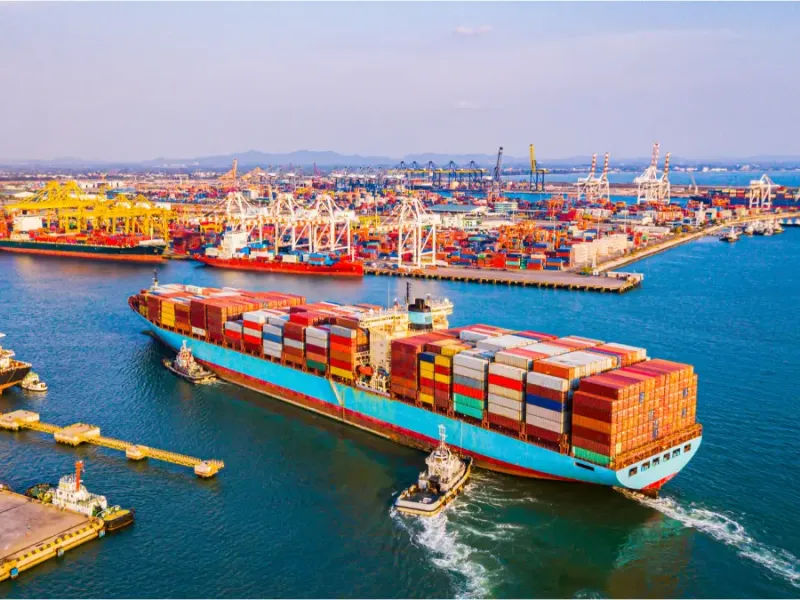
How to Import a Car from Japan to Kenya (Complete 2026 Guide)
Importing a car from Japan to Kenya can help you save money and access better vehicle options. However, the process involves strict regulations, inspections, taxes, and documentation requirements. In fact, the other day I was talking to a friend who was telling me how nowadays it doesn't make sense renting premium locations for car yards since almost everyone in Kenya prefers importing their vehicle directly. My friend's sentiment were actually true, there are very few people nowadays who still prefers walking in a car yard to purchase a car.
But every method of owning a new car has its advantages as well as disadvantages, for once, some people just don't like the hastle involved in clearing a car and waiting for the shipment to arrive. Additionally, we've all at some point heard of dreadful stories on how staff at the Kenya Ports Authority thrive in removing original car parts from fresh imports such as sterio systems, wheels and batteries.
But as mentioned before, each mode has it's own challenges and benefits alike. I have therefore prepared a guide to those of us who would like to go the import way and save some chapaa.
This guide explains everything you need to know to successfully import a vehicle into Kenya.
Key Requirements for Importing a Car to Kenya
1. 8-Year Age Limit Rule
Kenya only allows vehicles that are less than 8 years old from the date of first registration. For example, if importing in 2026, the vehicle must have been registered in 2019 or later.
2. Right-Hand Drive Requirement
All imported vehicles must be right-hand drive (RHD). Left-hand drive vehicles are not permitted for regular road use in Kenya.
3. Mandatory QISJ Inspection
Before shipment, the vehicle must pass inspection by Quality Inspection Services Japan (QISJ). This ensures the car meets Kenya’s roadworthiness and compliance standards.
Step-by-Step Process to Import a Car from Japan
Step 1: Select the Vehicle
Choose a vehicle that meets the 8-year rule and has a clean inspection history. Always verify mileage, accident history, and auction reports.
Step 2: Secure Required Documents
You will need:
- Original Commercial Invoice
- Bill of Lading
- Export Certificate
- QISJ Inspection Certificate
- KRA PIN Certificate
Step 3: Shipping to Mombasa
Shipping typically takes 28–45 days. Costs range between $1,000 and $1,500 depending on vehicle size and shipping method.
Step 4: Customs Clearance in Kenya
Once the car arrives at Mombasa, a licensed clearing agent handles customs clearance. Fees usually range between KES 15,000 and KES 30,000.
Import Taxes and Duties in Kenya
Taxes are calculated based on CIF (Cost, Insurance, Freight) value. The main charges include:
- Import Duty – 25%
- Excise Duty – 20%
- VAT – 16%
- Import Declaration Fee (IDF)
- Railway Development Levy (RDL)
You can estimate your total landing cost using our tool:
Total Car Import Cost Calculator
Check CRSP Before Importing
Kenya uses a Current Retail Selling Price (CRSP) system to calculate taxes. Always confirm the CRSP value before purchasing.
Vehicle Registration with NTSA
After customs clearance and tax payment, the vehicle must be registered with NTSA. Registration typically costs between KES 10,000 and KES 15,000.
Frequently Asked Questions (FAQs)
How long does it take to import a car from Japan to Kenya?
Shipping and processing usually take between 28 and 45 days depending on shipping schedules and port clearance timelines.
What is the 8-year rule in Kenya?
Kenya only allows importation of vehicles that are less than 8 years old from the year of first registration.
How much tax do you pay when importing a car?
Taxes include 25% import duty, 20% excise duty, 16% VAT, and additional levies. The total depends on the vehicle’s CIF and CRSP value.
Is QISJ inspection mandatory?
Yes. All vehicles imported from Japan must pass inspection by QISJ before shipment.
Recently Listed Vehicles
Browse all vehicles →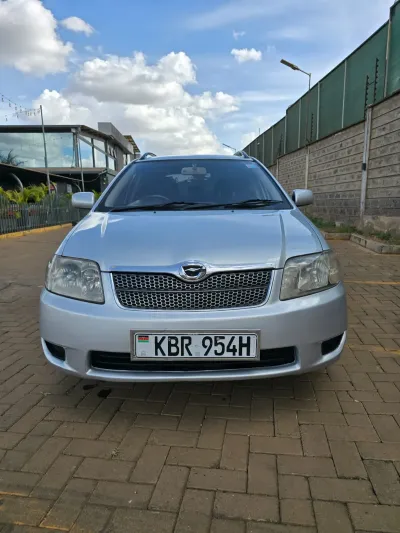
Toyota Corolla Fielder 2005 Petrol
KES800,000
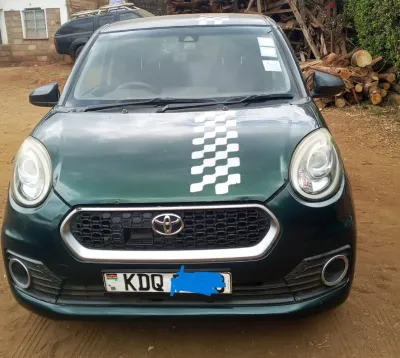
Toyota Passo Moda 2016 Petrol
KES779,999
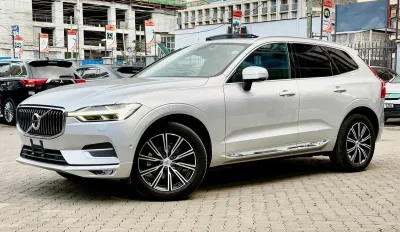
Volvo XC60 2020 Diesel
KES4,799,999
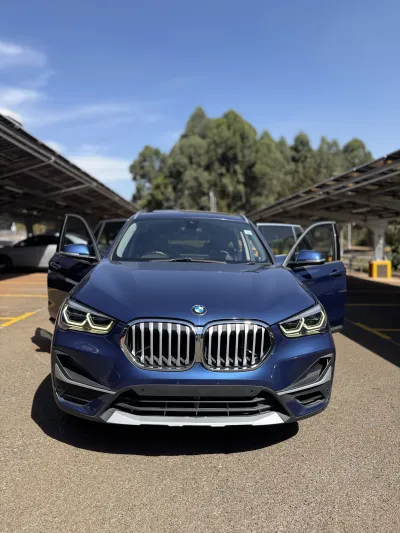
BMW X1 2020 Petrol
KES4,300,000