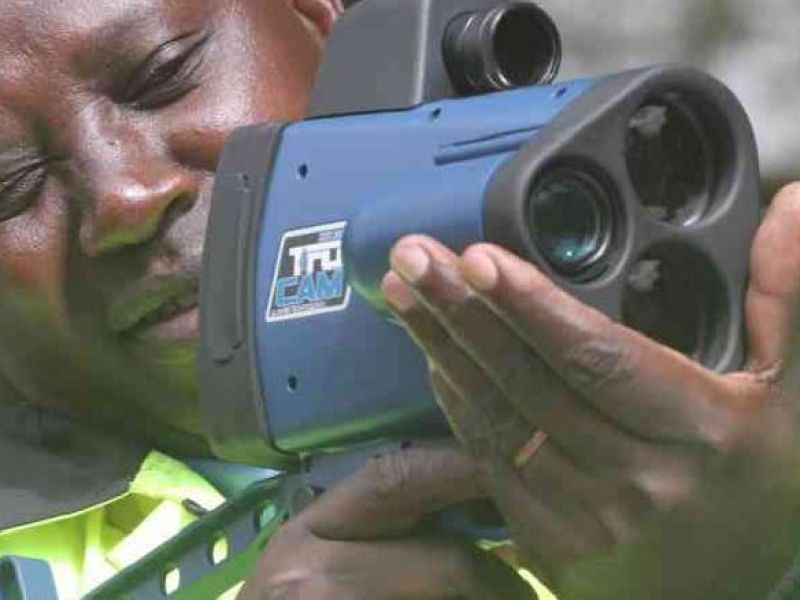
Kenya to Install 1,000 Speed Cameras: What Drivers Need to Know
Ever since the government unveilled automated traffic enforcement, there has been alot said about the new system that has been taunted to revolutionize the sector, which has for years been a corruption haven for the law enforcement. Starting this year, motorists across the country could soon find themselves monitored by a network of 1,000 speed cameras which will be installed along major highways and accident-prone roads. In some highways such as Thika road, the new enforcement cameras are already live and operational
This comes in the wake of repeated calls for the government to tame corruption in the sector and is part of initiative of a large transport modernization program led by the National Transport and Safety Authority (NTSA). At its core, the project aims to tackle one persistent problem on Kenyan roads—speeding and reckless driving.
Beyond the sensational headlines, the program is more than just high tech cameras on the roadside. A lot of people still don't appreciate yet, but the new system introduces a fully digital system that brings together smart driving licences, automated fines, and real-time traffic monitoring - all in a seamless package.
So what's the impact of this going to be for Kenyan drivers? And can it really start making our roads safer?
Let's make it real simple by breaking it down.
New Technology for Traffic Enforcement in Kenya - A Game Changer
For far too long, traffic enforcement in Kenya has relied on plain old manual policing, with all the inefficiencies, delays and more than occasional corruption that comes with it that many road users have had to suffer.
The plan is to put a lot of that out of date manual work behind us by switching to more sensible automated systems.
Under this plan, the NTSA wants to bring in:
-
Some 1000 new speed cameras across the country
-
A new generation smart driving licences
-
A mobile digital wallet for your driving licence
-
A system for instant fines that really is instant
This collection of new tools will let the NTSA put a coherent digital platform in place that tracks traffic offences and links them directly to drivers.
What this means is that traffic violations can be detected, recorded and punished without having to stop you in the road.
Why The Government Went Down the Public-Private Partnership Route
The government chose to implement the project through a Public-Private Partnership (PPP) model.
This choice follows many years of postponements in implementing smart driving licences in Kenya. The initial strategy, started 2017, aimed to distribute five million smart licences. But less than two million were genuinely made.
That shortfall pushed the government to involve private sector partners capable of providing:
-
Funding
-
Modern Technology
-
Operational Expertise
Through the PPP setup, government aims to speed up execution and at same time not putting direct pressure on public money.
The Companies Behind the Project
The Companies Behind the Project
The system will be implemented by a consortium led by:
-
KCB Bank Kenya Ltd
-
Pesa Print Ltd
The group will provide funding, put in place and keep up the infrastructure required for operating the new system of licensing and traffic control.
This includes speed cameras, digital licensing infrastructure and command centers that process traffic violations.
Paying the Bill
The estimated price tag for the whole program is around KSh 42 billion.
Now, unlike your average government project that gets funded through the national budget, this one is going to be financed with private debt and equity from the companies involved.
The simple idea is that the private partners put in the cash for the infrastructure and then recover their outlay through the money they make from the service they provide during the operational period.
A 21-Year Partnership
The 21 year contract was signed between the National Transport and Safety Authority and the private consortium.
In this phase, private partners will be responsible for operation and maintenance of the systems with the objective of recovering their investment.
After the concession period ends, cameras and other enforcement systems are expected to be handed over to NTSA.
How the 1,000 Speed Cameras Will Work
The planned network will include two types of speed cameras.
Fixed Cameras
About 700 cameras will be permanently installed at strategic locations, particularly along:
-
major highways
-
busy urban roads
-
accident-prone corridors
These cameras will continuously monitor vehicle speeds and capture violations.
Mobile Cameras
The remaining 300 cameras will be mobile units.
Authorities can deploy them to areas experiencing spikes in accidents or speeding complaints. This flexibility allows enforcement to adapt to emerging traffic risks.
A Fully Automated Traffic Violation System
The cameras will not operate independently. They will be connected to a central command station that links to a computer system that will capture traffic violations on the spot in real time.
When a speeding offence or other violation is detected:
-
The camera captures the vehicle information.
-
The system identifies the driver through vehicle records.
-
The violation is linked to the driver’s smart driving licence profile.
-
A fine is automatically generated.
The offence will also be recorded under Kenya’s demerit points system.
Understanding the Demerit Points System
A new points system is being introduced for motorists with drivers starting off with 20 merit points on their licence.
Traffic violations lead to deductions depending on the severity of the offence.
If a driver loses all points, the consequences may include:
-
licence suspension
-
additional penalties
-
mandatory driving reviews
The goal is to discourage repeated violations and encourage safer driving habits.
How Motorists Will Receive and Pay Fines
One of the things that will be most noticeable to drivers is the speed at which fines are imposed.
Previously notices and fines for traffic infringements were issued in the justice system or by a SAPS Traffic Officer on the spot, but now will be issued electronically by the ATS system almost immediately after being recorded.
Drivers will receive notifications through digital platforms and can settle fines using:
-
mobile money services
-
USSD payment systems
-
banking platforms
On a driver profile you will be able to see infringements and payments.
The Legal Grounding of Instant Fines
NTSA gets its power to hand out instant administrative penalties from the Traffic (Minor Offences) Rules of 2016 - a set of rules designed to deal with minor traffic infractions without having to go through the courts.
The idea behind these rules was to cut down on the backlog of cases in the courts by allowing some traffic related issues to be sorted out out of court.
Still, drivers will have the right to take a case to court if they feel they've been unfairly penalised.
What Sorts of Fines Can Drivers Expect to Face
Under the current rules, traffic infringements can land you with a penalty of anywhere between KSh 500 and KSh 10,000. Some of the most common offences that many drivers might get caught for and fined over include:
-
speeding
-
driving on the road without your vehicle having a valid inspection certificate
-
having your eyes on your phone while you're driving
-
not wearing a seatbelt
These fines are now going to become a lot more consistently enforced thanks to all the new automated systems being put in place.
The Second Generation Smart Driving Licence
A key part of this project is the new smart driving licence - a chip based licence card thats only a step removed from the kind of card you use at an ATM.
Unlike the old kind of licence, this one stores all sorts of useful information such as:
-
your driving history
-
any traffic fines you've accumulated
-
your driver's licence details
This lets the authorities keep a closer eye on how you're driving.
A Digital Driving Licence Wallet for Your Phone
With the digital driving licence wallet, drivers will be able to access an electronic copy of their licence on their phone.
You'll be able to use the digital wallet to:
-
have a look at your driving licence details
-
check your current demerit points
-
pay any traffic fines that are pending
-
access other services from NTSA
Its pretty much a big step towards moving all your driver related stuff online.
How Many Smart Licences Are the NTSA Planning to Print?
To make sure there are enough of the new smart licences to go round, the project aims to churn out five million every three years.
This will gradually help to replace all the older less secure licences in Kenya while also keeping up with the country's growing driver population.
The cost of getting one of these new smart licences or having an old one renewed is expected to be around KSh 3,000.
Will Speed Cameras Actually Help Make the Roads of Kenya Safer?
Kenya is losing out on billions of shillings every year because of road accidents - something that the government works out costs them a total of over KSh 450 billion in lost productivity, medical bills and damaged property every year.
Speeding is one of the main causes of these crashes in the first place.
In theory, speed cameras should be able to make a big difference by discouraging people from driving too fast.
Countries that have already introduced speed cameras have seen:
-
fewer road fatalities
-
a lot more people sticking to the speed limit
-
faster and more consistent enforcement
But the real test is going to be how fairly and transparently the system is implemented. If drivers trust the system, it might just make the roads a safer place. But if not, its just going to end up being seen as a new way to shake drivers down for cash.
Is This The Beginning of A New Era in Road Safety in Kenya?
Whether you love it or hate it, Kenyan roads are about to become a lot more closely monitored.
With speed cameras, smart licences, and automated fines all working together, the government is trying to usher in a new age of technology driven road safety.
The big question now is: will this system actually change how people drive in Kenya?
For now, one thing is clear - drivers may soon have to think twice before booting up the engine.
Recently Listed Vehicles
Browse all vehicles →
Ford Ford Ranger 2014 Diesel
KES2,900,000

Mitsubishi Outlander PHEV 2019 Petrol
KES3,350,000

Subaru XV 2019 Petrol
KES2,650,000
Toyota Landcruiser Hardtop 2014 Diesel
KES3,850,000