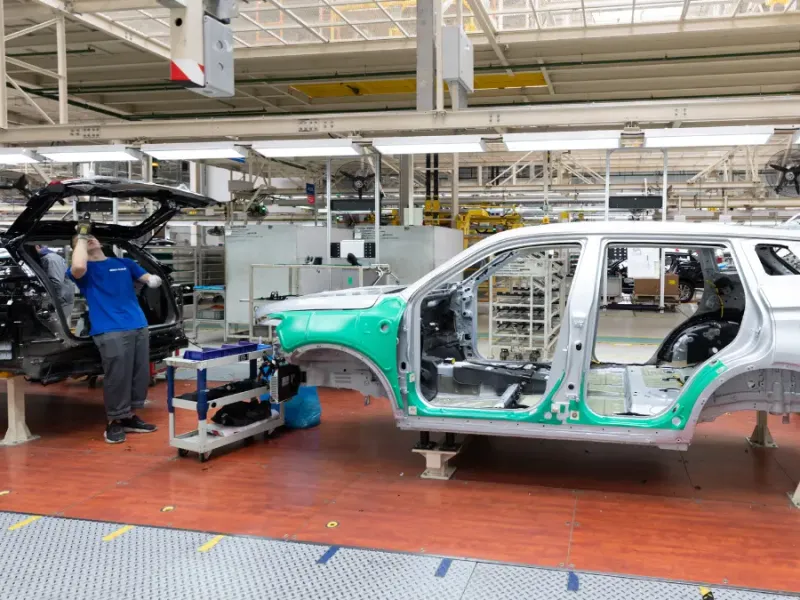
Kenya’s Local Car Assembly Hits Record High in 2025 as Prices Drop for Popular SUVs
Kenya’s motor vehicle assembly industry has in the recent times been gaining some serious momentum — and that’s good news for anyone searching for cars for sale in Kenya.
In 2025, locally assembled vehicles rose sharply, signaling a shift in how new cars are supplied and priced in the country. If you’re planning to buy a new SUV or comparing new and used options, this development could directly affect your decision.
Let’s break down what’s happening and why it matters.
Motor Vehicle Assembly in Kenya Reaches New Peak
According to data from the Kenya National Bureau of Statistics, motor vehicles assembled in Kenya increased by 18.5 percent in the year ending December 2025. According to publicly available data from the government agency, total units assembled reached 13,692, up from 11,555 the previous year, and that’s not a small jump.
This growth reflects expanding production lines at assembly plants in Nairobi and Mombasa, as well as the introduction of more vehicle models being put together locally. But what exactly is the main driver of all this, well it's all about the government tax incentives.
Why Local Assembly Is Growing So Fast
The Kenyan government has introduced several incentives to encourage local assembly instead of importing fully built vehicles.
These include:
-
Exemption from the 35 percent import duty charged on fully built imports
-
Exemption from excise duty (which ranges between 20 and 35 percent depending on engine size and fuel type)
-
Lower Import Declaration Fee of 2.5 percent instead of 3.5 percent
-
Reduced Railway Development Levy (RDL) of 1.5 percent instead of 2 percent
What does that mean in simple terms?
Lower taxes = lower production costs.
And lower production costs can translate into more competitive showroom prices.
Competitive Pricing: Real Price Drops on Popular SUVs
One of the clearest examples of the impact of local assembly is seen in popular SUVs like:
-
Toyota Fortuner
-
Isuzu mu-X
Once these models began being assembled locally, their prices dropped significantly.
The Toyota Fortuner, assembled in Mombasa by CFAO Mobility Kenya, saw its price fall from approximately Sh13.2 million to around Sh10 million.
Similarly, Isuzu East Africa reduced the price of the Isuzu mu-X from Sh13.5 million to Sh9.9 million after shifting to local assembly.
That’s a reduction of over Sh3 million in both cases.
For buyers comparing new cars in Kenya, this changes the conversation completely.
A brand-new, zero-mileage SUV is now priced close to some eight-year-old used models selling from around Sh6.5 million.
That kind of pricing shift increases competition across the entire automotive market.
Assembly Now Outpaces New Vehicle Sales
Interestingly, locally assembled vehicles have now overtaken total new vehicle dealer sales under the Kenya Motor Industry Association (KMI).
In 2025:
-
13,692 vehicles were assembled locally
-
13,583 new units were sold by KMI dealers
Even in 2024, the trend was similar:
-
11,555 assembled
-
11,352 sold
This shows consistent expansion in the local assembly sector, not just a one-year spike.
Rise of New Entrants and Chinese Brands
While established players like Isuzu and CFAO continue expanding, there is also a noticeable increase in new entrants, especially assemblers of Chinese vehicle brands.
This is important for buyers searching for affordable cars for sale in Kenya, because:
-
More competition often leads to better pricing
-
Buyers get more variety
-
Entry-level and mid-range options increase
The government is also supporting this sector as part of a broader strategy to create jobs and stimulate manufacturing.
What This Means for Car Buyers in Kenya
If you’re currently browsing new cars for sale in Kenya, here’s what you should consider:
1. New Cars Are Becoming More Competitive
With reduced taxes and local assembly benefits, new vehicle prices are narrowing the gap between new and used cars.
2. Used Car Market May Adjust
As new SUV prices drop, resale values of older imported models may face pressure.
If you’re comparing options, it’s wise to check both:
This helps you see where the real value lies.
3. More Choice for Buyers
With increasing assembly operations and new brands entering the market, buyers now have more alternatives across different price ranges.
Is Local Assembly the Future of Kenya’s Car Market?
All signs point in that direction.
Lower taxes, competitive pricing, job creation, and expanding plant capacity suggest that local assembly will continue playing a bigger role in the automotive sector.
For consumers, that means:
-
More accessible pricing
-
Increased availability of brand-new vehicles
-
Potentially better after-sales support
If you’re planning to buy soon, keep an eye on locally assembled models when comparing cars for sale in Kenya.
Final Thoughts
Kenya’s motor vehicle assembly sector is no longer a small side industry — it is becoming a major pillar of the automotive market.
With record production numbers in 2025 and substantial price reductions on popular SUVs like the Toyota Fortuner and Isuzu mu-X, buyers now have stronger bargaining power.
Whether you’re exploring cars for sale in Kenya, considering a new SUV, or comparing imported used models, this shift in local assembly could influence your final decision.
Recently Listed Vehicles
Browse all vehicles →
Toyota Mark X 2007 Petrol
KES700,000
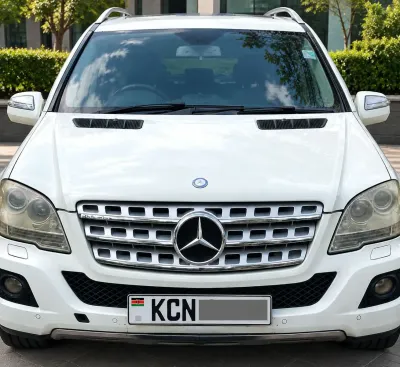
Mercedes Ml350 2010 Petrol
KES1,650,000
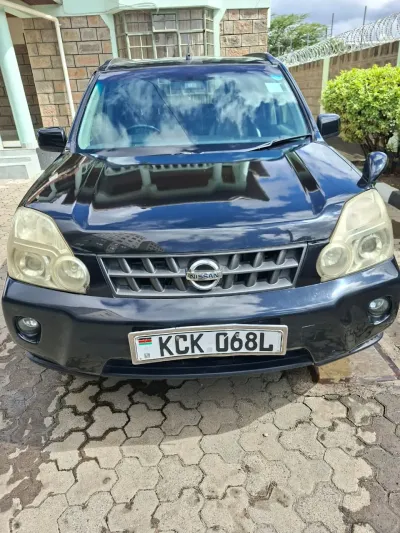
Nissan EXTRAIL 2009 Petrol
KES830,000

Subaru Forester 2011 Petrol
KES1,495,000